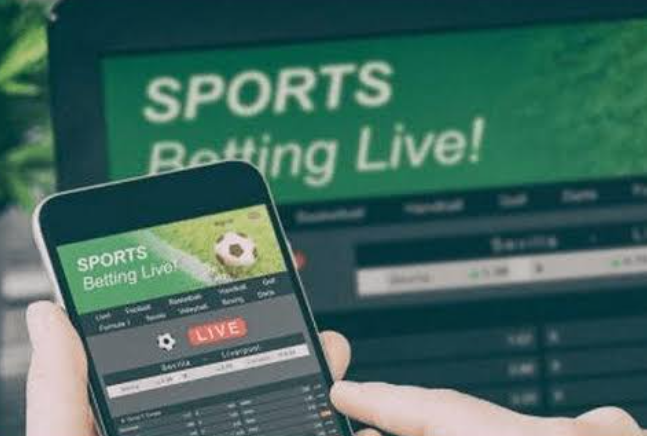






Sports betting can be an exciting and entertaining activity when approached with the right mindset. It adds an extra layer of engagement to sporting events and can be a fun social activity. However, like any form of entertainment that involves money, it carries risks. The key to enjoying wagering safely is to develop responsible habits and know when to step back.
This guide provides practical advice on how to wager responsibly. It covers setting limits, recognizing warning signs, and using the tools available to protect yourself. For more health and wellness insights, visit nihalatsiz.org.

The Foundation: Wagering as Entertainment
The most important mindset to adopt is that wagering is a form of entertainment, not a way to make money. The odds are always designed to favor the bookmaker. Approaching betting as a source of income sets unrealistic expectations and can lead to problematic behavior.
Understanding the House Edge
Every bet you place has a built-in house edge. This is the mathematical advantage the bookmaker has over the player. Over time, this edge ensures that the bookmaker will make a profit. Understanding this fundamental truth is the first step toward responsible wagering.
Setting Realistic Expectations
Winning is exciting, but losses are inevitable. Accept that you will lose some bets. Set a budget for your entertainment, just as you would for a night out or a movie. For a platform offering a wide range of markets, you can explore sportsbet.io crypto sports betting.
Practical Steps for Responsible Wagering
Implementing these practical steps can help you maintain control over your wagering activities.
Set a Strict Budget
Before you place any bet, decide how much you are willing to spend. This should be money you can afford to lose without affecting your essential living expenses. Once this budget is gone, stop wagering. Do not chase losses by exceeding your budget.
Set Time Limits
Time can fly when you are engaged in wagering. Set a time limit for your session. Use alarms or reminders to help you stick to it. Taking regular breaks helps maintain perspective and prevents impulsive decisions.
Avoid Wagering Under the Influence
Alcohol and drugs impair judgment. They can lead to poor decisions, increased risk-taking, and chasing losses. Always wager with a clear mind.
Keep Records
Track your bets. Record the date, event, stake, odds, and result. This provides a clear picture of your wagering activity and can help you identify any problematic patterns early. For a platform offering a range of betting options, you can explore sportsbet.io crypto sports betting.
View It as a Cost
Treat your wagering budget as the cost of entertainment. If you win, that is a bonus. If you lose, it was the cost of the experience.
Recognizing Warning Signs
It is crucial to recognize when wagering is no longer a fun activity and is becoming a problem.
Behavioral Warning Signs
-
Chasing Losses: Trying to win back lost money by increasing stakes.
-
Lying: Hiding the extent of your betting activity from others.
-
Neglecting Responsibilities: Missing work or family obligations to place bets.
-
Loss of Control: Inability to stop or reduce betting despite attempts.
-
Preoccupation: Constantly thinking about betting.
Financial Warning Signs
-
Borrowing Money: Taking out loans or borrowing from friends to fund betting.
-
Financial Hardship: Struggling to pay bills or meet basic needs.
Emotional Warning Signs
-
Guilt or Shame: Feeling remorse after a session.
-
Anxiety or Depression: Experiencing mood swings related to wagering.
Tools for Self-Protection
Most reputable wagering platforms offer tools to help you stay in control.
Deposit Limits
You can set a limit on how much you can deposit over a day, week, or month. This helps you stay within your budget.
Loss Limits
Set a limit on how much you can lose. Once you hit this limit, you will be prevented from placing further bets.
Time Limits
Set a limit on how long you can spend wagering in a single session.
Reality Checks
Set up reminders that pop up to show you how long you have been playing and how much you have spent.
Self-Exclusion
If you feel you are losing control, you can self-exclude. This blocks your account for a set period, preventing you from wagering.
Take a Break
If you feel stressed or are not enjoying yourself, take a break. Step away and return another day.
When to Seek Help
If you recognize the warning signs in yourself or someone else, do not hesitate to seek help. Professional support is available.
Gambling Therapy
Offers free support and counseling for players worldwide.
GamCare
Provides support and advice for problem gambling in the UK.
BeGambleAware
Offers information and resources for responsible gambling.
National Council on Problem Gambling
Provides resources and a helpline in the US.
Talking to Loved Ones
If you are concerned about a friend or family member’s wagering habits, approach the conversation with empathy and support. Use “I” statements to express your concerns (e.g., “I am worried about you”). Avoid being judgmental or confrontational. Encourage them to seek professional help.
The Role of Technology in Protection
Modern platforms are increasingly integrating responsible gambling features directly into their interfaces. These tools are designed to be proactive, helping users manage their activity before it becomes a problem.
Artificial Intelligence and Behavioral Analytics
AI can monitor wagering patterns for signs of problematic behavior. If the system detects unusual activity, it can trigger a reality check or suggest that the user take a break.
Personalized Alerts
Some platforms allow you to set customized alerts for high-risk situations, such as betting more than a certain amount in a short period.
Self-Assessment Tools
Many platforms offer self-assessment quizzes that help users evaluate their wagering habits and identify potential risks.
For a platform that emphasizes responsible gambling tools, you can explore sportsbet.io crypto sports betting.
Wagering and Mental Health
The relationship between wagering and mental health is complex. While many people can wager without issue, others may use betting as a way to cope with stress, anxiety, or depression.
Understanding the Link
Problematic wagering can lead to increased stress, anxiety, and depression. The financial consequences of significant losses can be devastating, leading to relationship problems, job loss, and other serious issues.
Seeking Professional Help
If you are using wagering as a coping mechanism, it is important to address the underlying issues. Therapists and counselors can help you develop healthier coping strategies.
Recovery and Support
Recovery from wagering addiction is possible. There are many paths to recovery, and what works for one person may not work for another.
Support Groups
Organizations like Gamblers Anonymous offer peer support and a 12-step recovery program. Sharing experiences with others who have faced similar challenges can be incredibly powerful.
Professional Counseling
Therapists specializing in gambling addiction can help individuals understand the root causes of their behavior and develop strategies for change.
Financial Counseling
If wagering has led to financial problems, a financial counselor can help you develop a plan to manage your debt and rebuild your financial stability.
Final Verdict
Responsible wagering is about maintaining control. It is about setting limits, recognizing the warning signs, and knowing when to walk away. By adopting the habits outlined in this guide, you can enjoy the excitement of sports betting without letting it negatively impact your life. Remember, help is always available if you need it. For more guides on health and wellness, browse nihalatsiz.org.